The Evolving Canvas: Deconstructing the Visible Language of Xavier Wulf’s Cowl Artwork
Associated Articles: The Evolving Canvas: Deconstructing the Visible Language of Xavier Wulf’s Cowl Artwork
Introduction
With enthusiasm, let’s navigate by way of the intriguing matter associated to The Evolving Canvas: Deconstructing the Visible Language of Xavier Wulf’s Cowl Artwork. Let’s weave fascinating info and supply recent views to the readers.
Desk of Content material
The Evolving Canvas: Deconstructing the Visible Language of Xavier Wulf’s Cowl Artwork
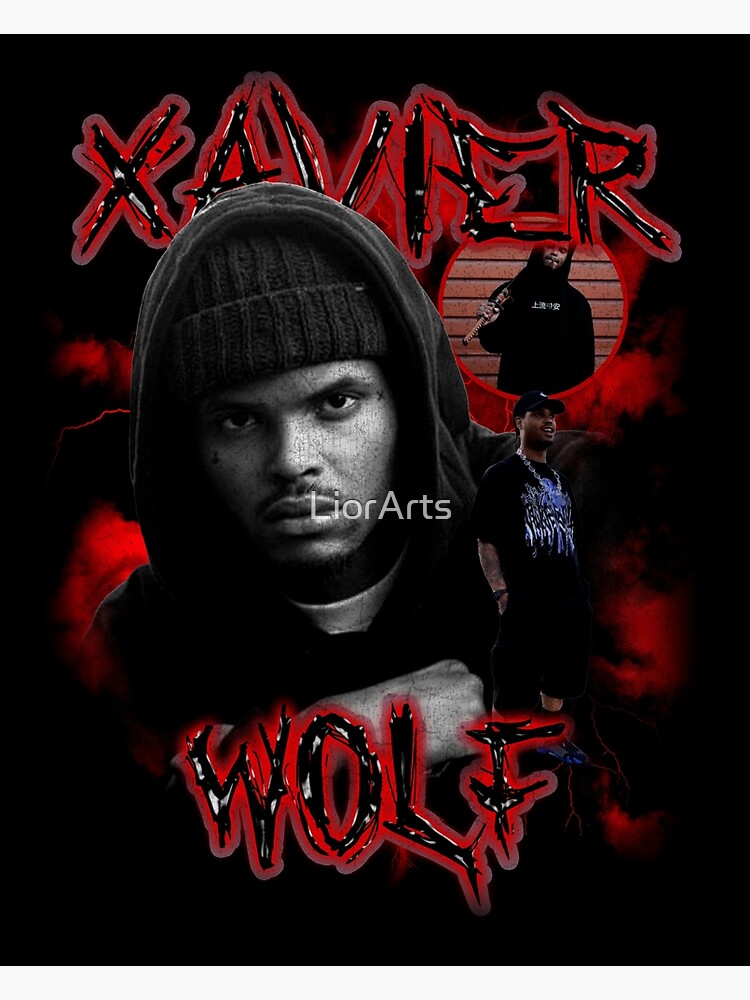
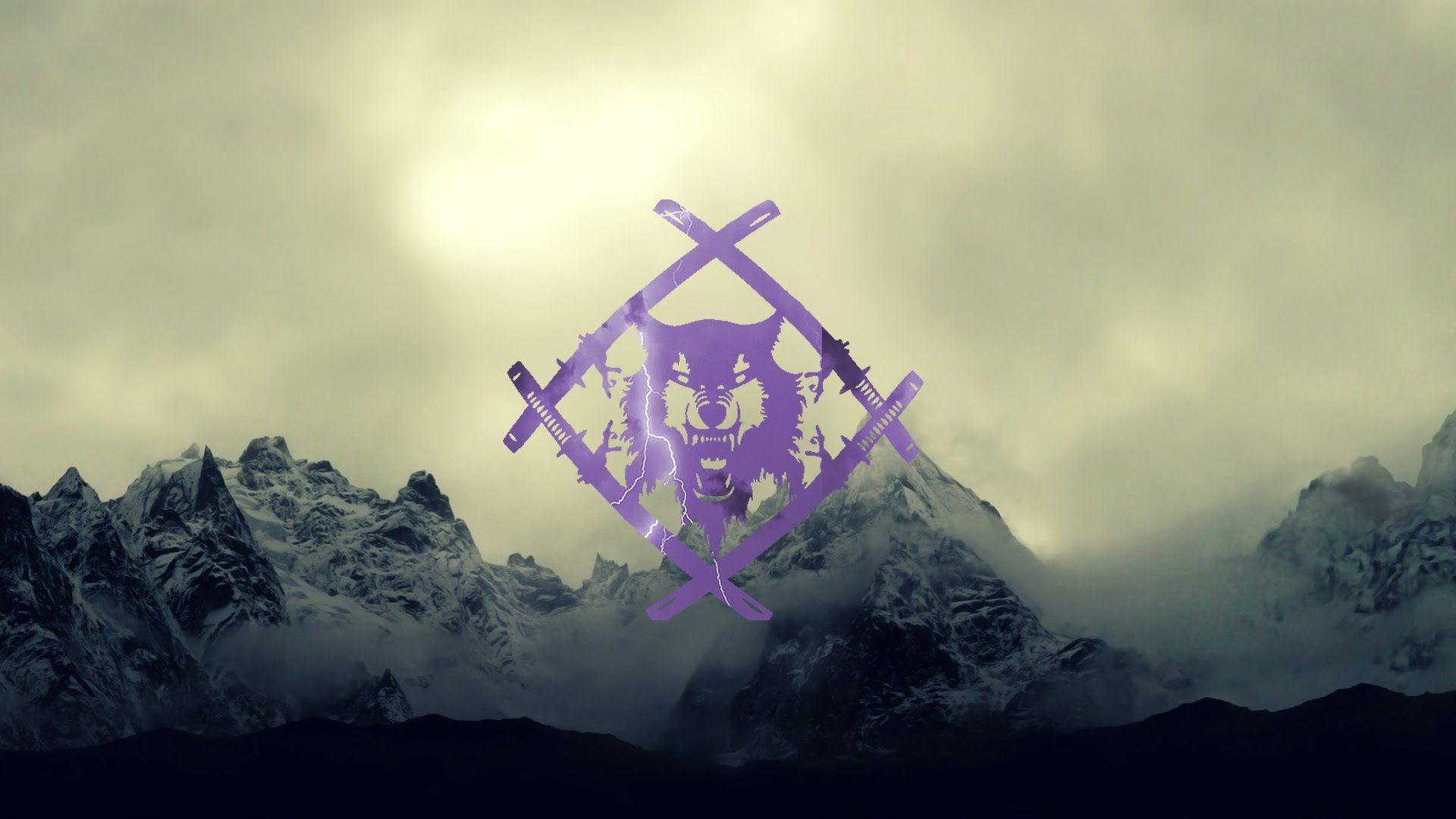
Xavier Wulf’s discography is not only a assortment of music; it is a meticulously curated visible narrative. His album artwork, removed from being mere equipment, acts as a significant element of his general creative identification, reflecting the darkish, psychedelic, and infrequently unsettling themes explored in his music. From early, uncooked aesthetics to extra refined, but constantly unsettling imagery, the evolution of Wulf’s cowl artwork presents a captivating examine in visible storytelling, mirroring his personal creative progress and the ever-shifting panorama of his musical persona.
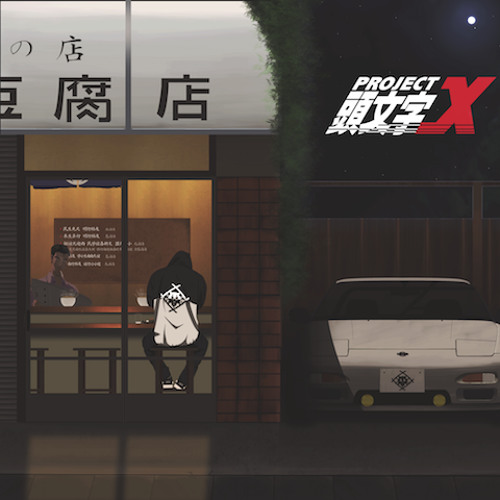
The early phases of Wulf’s profession, marked by releases like Venture X and Black Balloons 138, showcased a rawness that mirrored the lo-fi, typically abrasive nature of his music. These covers typically featured gritty, low-resolution images, continuously incorporating parts of city decay and a way of impending doom. Suppose grainy close-ups, shadowy figures lurking within the background, and a pervasive environment of unease. This visible aesthetic instantly mirrored the uncooked, unfiltered emotion and infrequently chaotic vitality current in his early tracks. The colour palettes had been muted, dominated by blacks, greys, and deep blues, enhancing the general feeling of darkness and introspection. The shortage of polish within the imagery mirrored the intentionally unrefined manufacturing values of his early work, making a cohesive and genuine creative assertion.
The transition to extra polished productions wasn’t accompanied by a whole abandonment of this preliminary aesthetic. As a substitute, it underwent a refined evolution. Whereas the decision improved and the manufacturing values of the imagery grew to become extra refined, the underlying themes of darkness, decay, and unease remained central. That is evident within the paintings for albums like The Weeknd in Atlanta. The quilt retained a way of grim realism, however with a heightened degree of element and visible sophistication. The imagery, whereas nonetheless unsettling, felt extra deliberate, suggesting a aware creative management and maturation. This shift displays Wulf’s personal improvement as an artist, shifting from a uncooked, virtually impulsive inventive course of to a extra refined and managed strategy to his music and its visible illustration.
A vital ingredient constantly current in Wulf’s cowl artwork is the strategic use of symbolism. Whereas typically cryptic and open to interpretation, these symbols constantly contribute to the general unsettling environment. Recurring motifs, resembling skulls, decaying buildings, and obscured faces, create a constant visible language that underscores the darker themes explored in his music. These aren’t merely ornamental parts; they act as visible cues, hinting on the underlying narratives and emotional depths of his songs. The usage of symbolism isn’t all the time literal; as an alternative, it operates on a unconscious degree, creating an environment of unease and thriller that pulls the listener in.
The incorporation of non secular iconography, albeit typically distorted or deconstructed, is one other fascinating facet of Wulf’s visible type. This is not a simple expression of religion however slightly a fancy engagement with the symbolism of faith, typically subverting its conventional meanings. The usage of crucifixes, haloes, and different spiritual symbols, typically introduced in a darkish or unsettling context, suggests a fancy relationship with spirituality, hinting at themes of sin, redemption, and the battle between good and evil. This provides one other layer of depth to the visible narrative, additional enriching the general creative expertise.
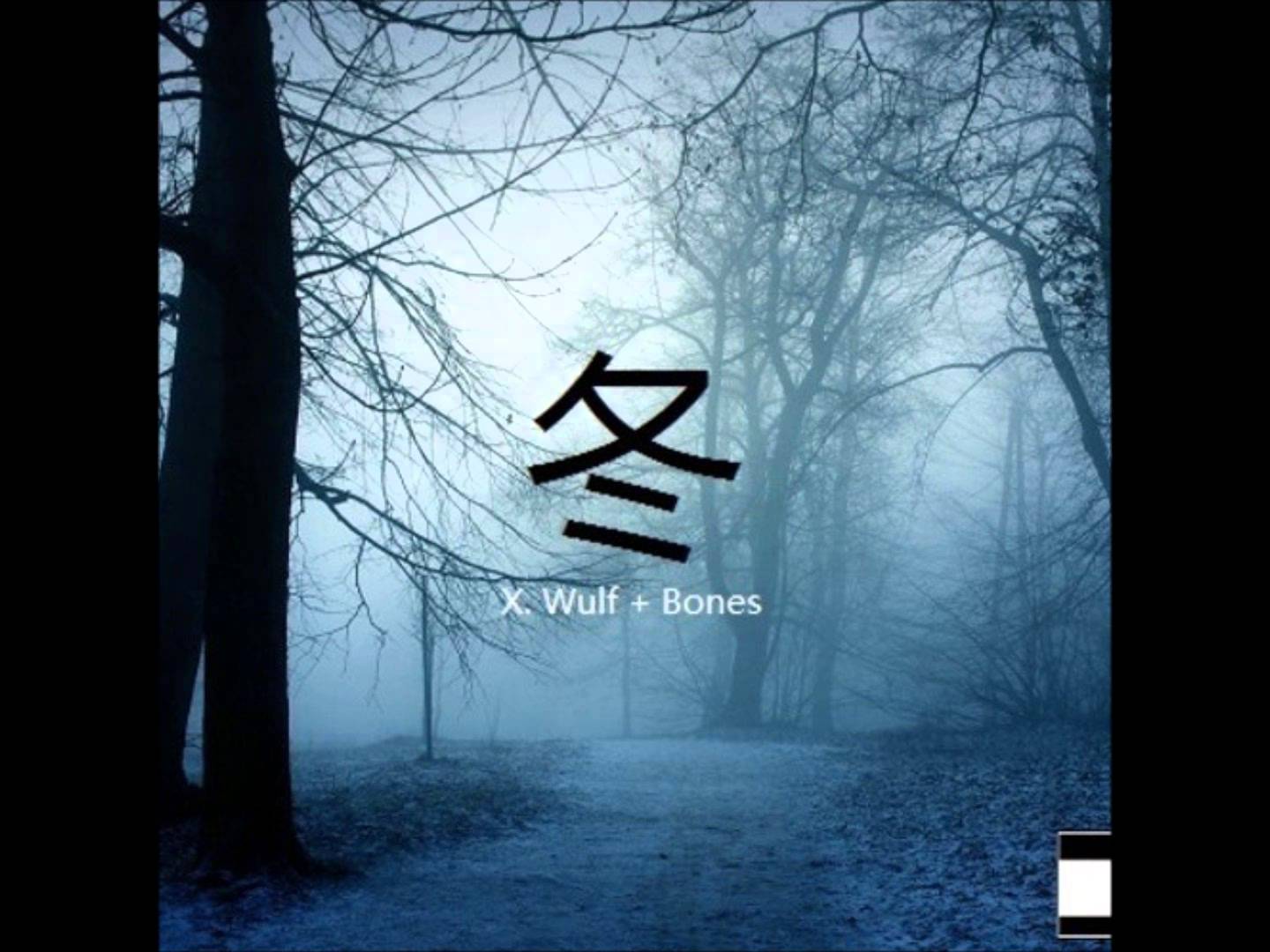
Moreover, the evolution of Wulf’s cowl artwork displays his collaborations and the affect of his inventive companions. Working with artists like Bones, Pouya, and Eddie Baker has undoubtedly formed his visible aesthetic, resulting in a cross-pollination of kinds and influences. The collaboration with these artists is obvious not solely within the music itself but additionally within the visible language employed within the album artwork. This collaborative spirit is mirrored within the constant high quality and cohesion of the visible narrative, suggesting a shared creative imaginative and prescient and understanding.
The usage of shade in Xavier Wulf’s album artwork is one other vital ingredient value inspecting. Whereas the early work leaned closely on a muted palette of darkish hues, later releases showcase a extra various and deliberate use of shade. This is not a transfer in direction of brighter, extra cheerful imagery; as an alternative, the colours are sometimes used to reinforce the prevailing environment of unease and darkness. Vibrant colours, when used, typically seem jarring or unsettling, contrasting with the darker parts and creating a way of visible dissonance that mirrors the usually discordant and unpredictable nature of his music.
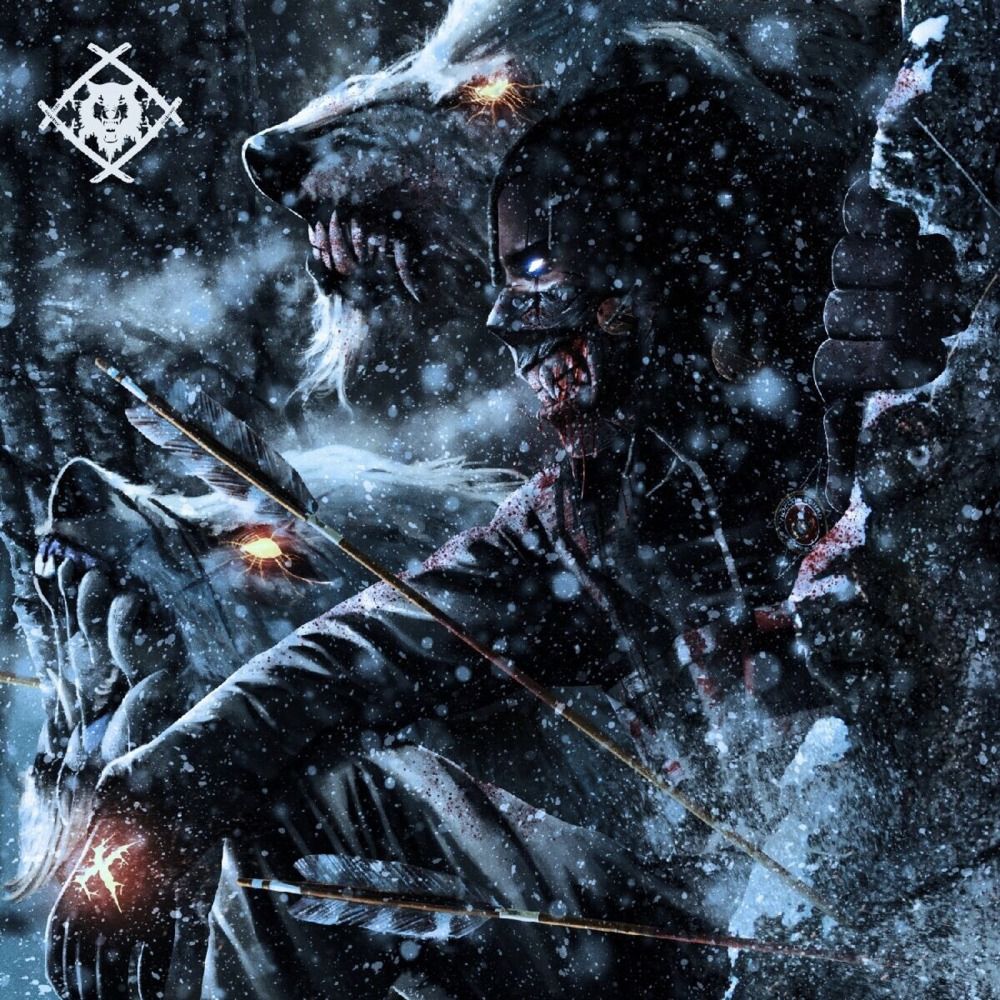
The latest evolution of Wulf’s cowl artwork demonstrates a transfer in direction of a extra refined and polished aesthetic, with out sacrificing the unsettling environment that defines his work. The imagery is turning into more and more surreal and psychedelic, incorporating parts of distorted actuality and dreamlike landscapes. This displays a shift in his musical type, which has grow to be more and more experimental and adventurous. The album artwork now serves as a visible manifestation of this exploration, reflecting the advanced and infrequently unpredictable nature of his creative imaginative and prescient.
In conclusion, Xavier Wulf’s album artwork isn’t merely a visible accompaniment to his music; it’s an integral a part of his creative identification. The evolution of his visible type, from uncooked and gritty to subtle and surreal, mirrors his personal creative progress and the ever-shifting panorama of his musical explorations. Via the strategic use of symbolism, shade, and a constant environment of unease, Wulf has created a novel and compelling visible language that completely enhances the darkish, psychedelic, and infrequently unsettling themes of his music. The constant high quality and cohesion of this visible narrative are a testomony to his creative imaginative and prescient and his potential to translate his musical concepts into a robust and memorable visible type. His album artwork serves as a robust visible metaphor, reflecting not solely the content material of his music but additionally the advanced and evolving inside world of the artist himself. The enduring energy of his imagery lies in its potential to evoke a visceral response, prompting reflection and interpretation, solidifying his place as a really distinctive and visionary artist.




Closure
Thus, we hope this text has supplied invaluable insights into The Evolving Canvas: Deconstructing the Visible Language of Xavier Wulf’s Cowl Artwork. We thanks for taking the time to learn this text. See you in our subsequent article!