Trapped Inside the Partitions: Exploring Oppression in Charlotte Perkins Gilman’s "The Yellow Wallpaper" By Key Quotes
Associated Articles: Trapped Inside the Partitions: Exploring Oppression in Charlotte Perkins Gilman’s "The Yellow Wallpaper" By Key Quotes
Introduction
With enthusiasm, let’s navigate by the intriguing matter associated to Trapped Inside the Partitions: Exploring Oppression in Charlotte Perkins Gilman’s "The Yellow Wallpaper" By Key Quotes. Let’s weave attention-grabbing info and provide recent views to the readers.
Desk of Content material
Trapped Inside the Partitions: Exploring Oppression in Charlotte Perkins Gilman’s "The Yellow Wallpaper" By Key Quotes

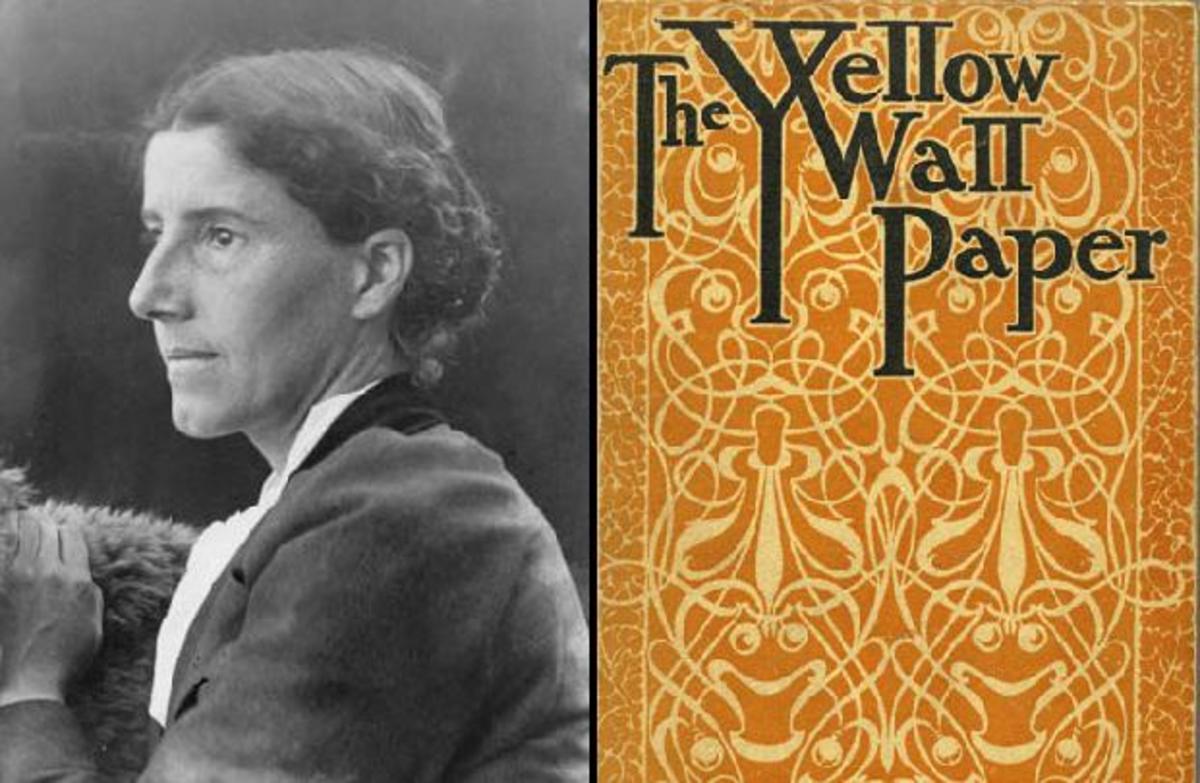
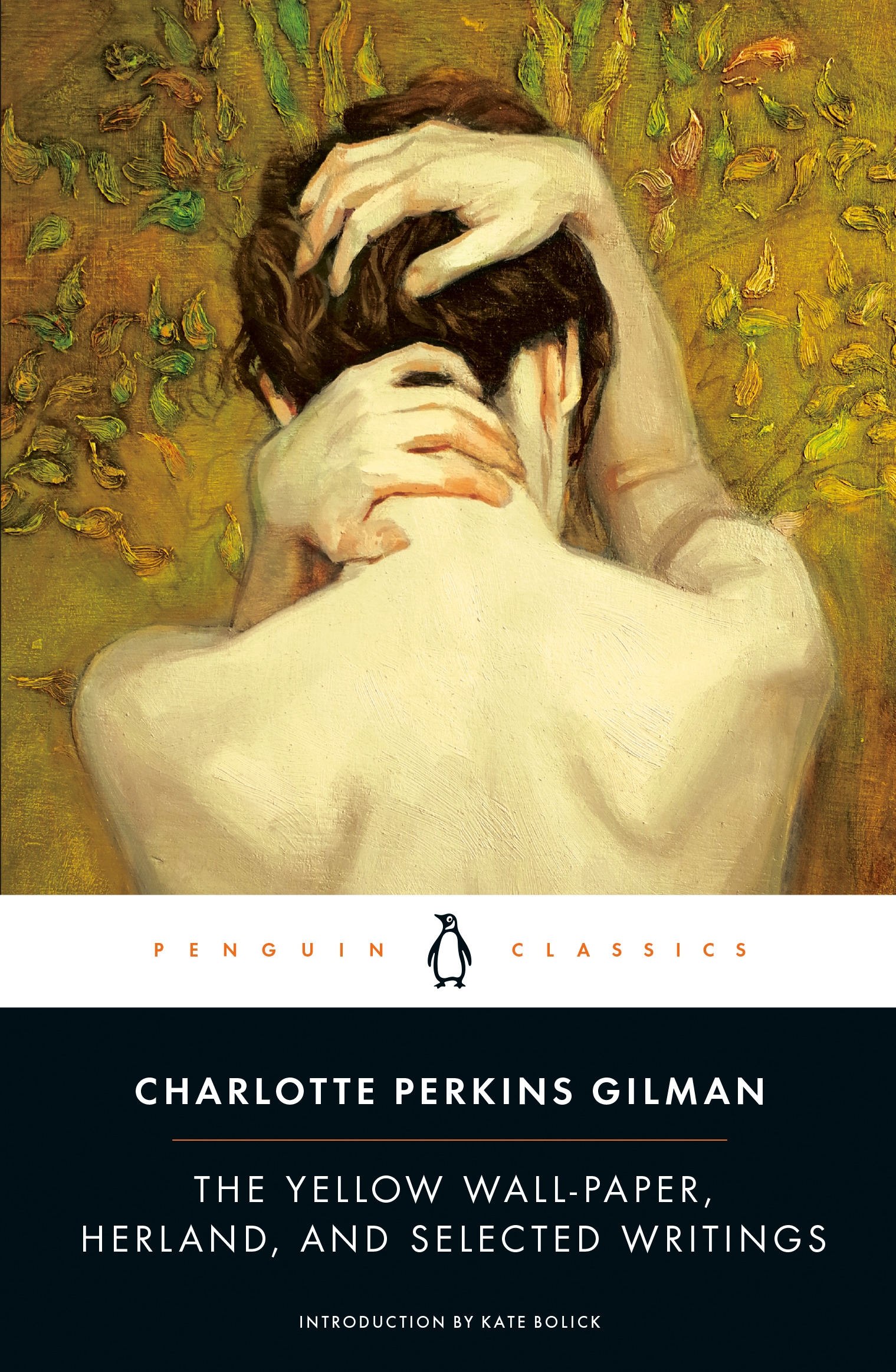
Charlotte Perkins Gilman’s "The Yellow Wallpaper" is a chilling novella that transcends its late Nineteenth-century setting to resonate powerfully with up to date understandings of oppression. By the fragmented narrative of its unnamed narrator, the story meticulously depicts the insidious nature of patriarchal management, manifesting as medical paternalism, social confinement, and the stifling of feminine creativity and self-expression. Analyzing key quotes throughout the textual content reveals the multi-layered methods wherein oppression manifests and the devastating influence it has on the narrator’s psyche.
The story’s energy lies not simply in its surprising climax, however within the refined, creeping dread constructed by the narrator’s more and more unreliable observations and more and more determined makes an attempt to keep up her sanity. The oppression she experiences is not overt violence; it is a gradual, insidious erosion of her autonomy, meticulously documented by her journal entries. This makes the evaluation of particular quotes essential to understanding the nuances of her subjugation.
The Medical Gaze and the Denial of Company:
One of the essential points of the narrator’s oppression stems from the medical occupation’s remedy of ladies within the late Nineteenth century. Her husband, John, a doctor, diagnoses her with "non permanent nervous melancholy," a prognosis that conveniently dismisses her precise experiences and reduces her to a medical case. That is evident within the quote: "John laughs at me, after all, however one expects that in marriage." This seemingly innocuous sentence reveals an influence dynamic the place John’s laughter dismisses the narrator’s considerations, highlighting the silencing impact of patriarchal authority throughout the conjugal relationship. Her emotions are invalidated, not as a result of they lack advantage, however as a result of John, the authority determine, deems them insignificant. That is additional emphasised when John dictates her remedy – relaxation treatment, avoiding psychological stimulation – successfully eradicating her company and management over her personal well being and restoration. He dictates her life, even her writing: "He says that with my imaginative energy and behavior of story-making, a nervous weak spot like mine is bound to result in all method of excited fancies," revealing his acutely aware try to regulate her creativity, a direct manifestation of his management over her very being. The medical occupation, represented by John, turns into an instrument of oppression, utilizing a prognosis to justify the confinement and silencing of a girl expressing misery.
Confinement and the Lack of Identification:
The narrator’s confinement to a room with yellow wallpaper is a potent image of her broader social and psychological imprisonment. The bodily house displays her psychological state, progressively mirroring her descent into insanity. The quote, "I lie right here on this nice immovable mattress – it’s nailed down, I consider – and comply with that sample about by the hour," encapsulates this sense of entrapment. The mattress, an emblem of relaxation and restoration, turns into a jail, emphasizing the ironic nature of her "remedy." The "immovable mattress" represents her incapability to flee her state of affairs, each bodily and mentally. The wallpaper itself, initially dismissed as insignificant, turns into an obsession, reflecting her rising frustration and incapability to precise herself. The restriction of her motion, her social interactions, and her inventive pursuits all contribute to a way of isolation and rising alienation. That is echoed within the line, "I get positively indignant with John generally. He scolds me a lot once I get irritable." Her irritability is a direct response to her confinement and the suppression of her wants, but it is met with additional scolding, reinforcing the cycle of oppression. The room turns into a microcosm of the bigger societal constructions that confine ladies to domesticity and silence their voices.
The Energy of Language and the Suppression of Self-Expression:
The narrator’s journal turns into an area for her to reclaim her voice, albeit secretly and more and more unhinged. Nevertheless, even this act of self-expression is fraught with the specter of discovery and additional oppression. Her writing itself turns into a insurrection towards the silence imposed upon her. The act of writing, initially a type of self-therapy, evolves right into a determined try to keep up her sanity and unravel the thriller of the wallpaper, a symbolic illustration of her personal trapped self. The evolving language in her journal displays this battle. Initially, she makes use of formal and well mannered language, reflecting her makes an attempt to evolve to societal expectations. As her psychological state deteriorates, her language turns into extra fragmented, extra emotionally charged, and extra rebellious, reflecting her rising resistance to the imposed silence.
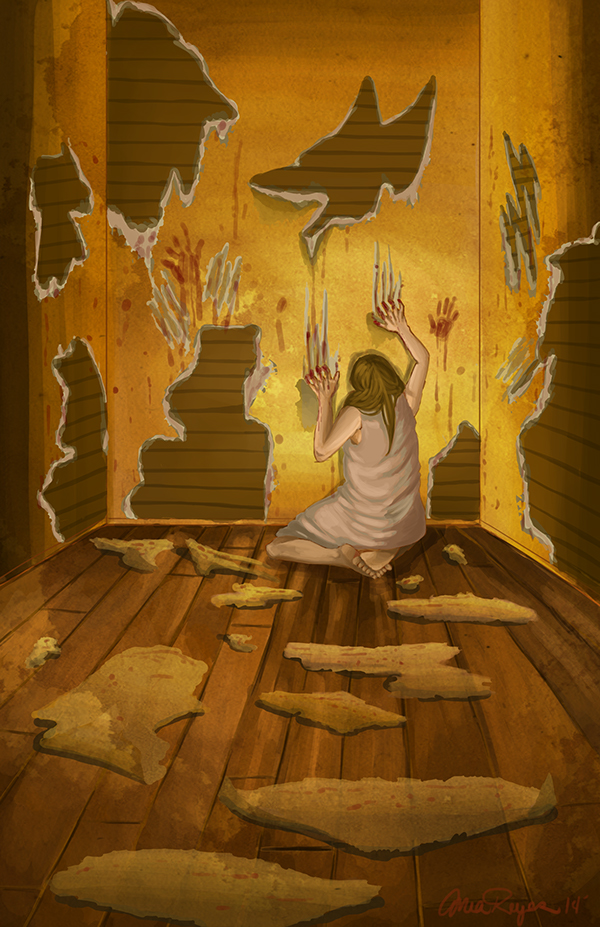
The quote, "I’ve received out finally,” mentioned I, “and I’ve pulled off a lot of the paper, so you possibly can’t put me again!” demonstrates the last word act of insurrection. This assertion, spoken to the "lady" she sees within the wallpaper, signifies her breaking free from the constraints of her oppressive surroundings. The peeling of the wallpaper is a metaphor for the shedding of her constructed identification, a symbolic tearing away of the societal expectations and patriarchal constraints which have been imposed upon her. Her language right here is assertive, triumphant, even violent, signifying her reclaiming of company and energy.
The Yellow Wallpaper as a Image of Oppression:
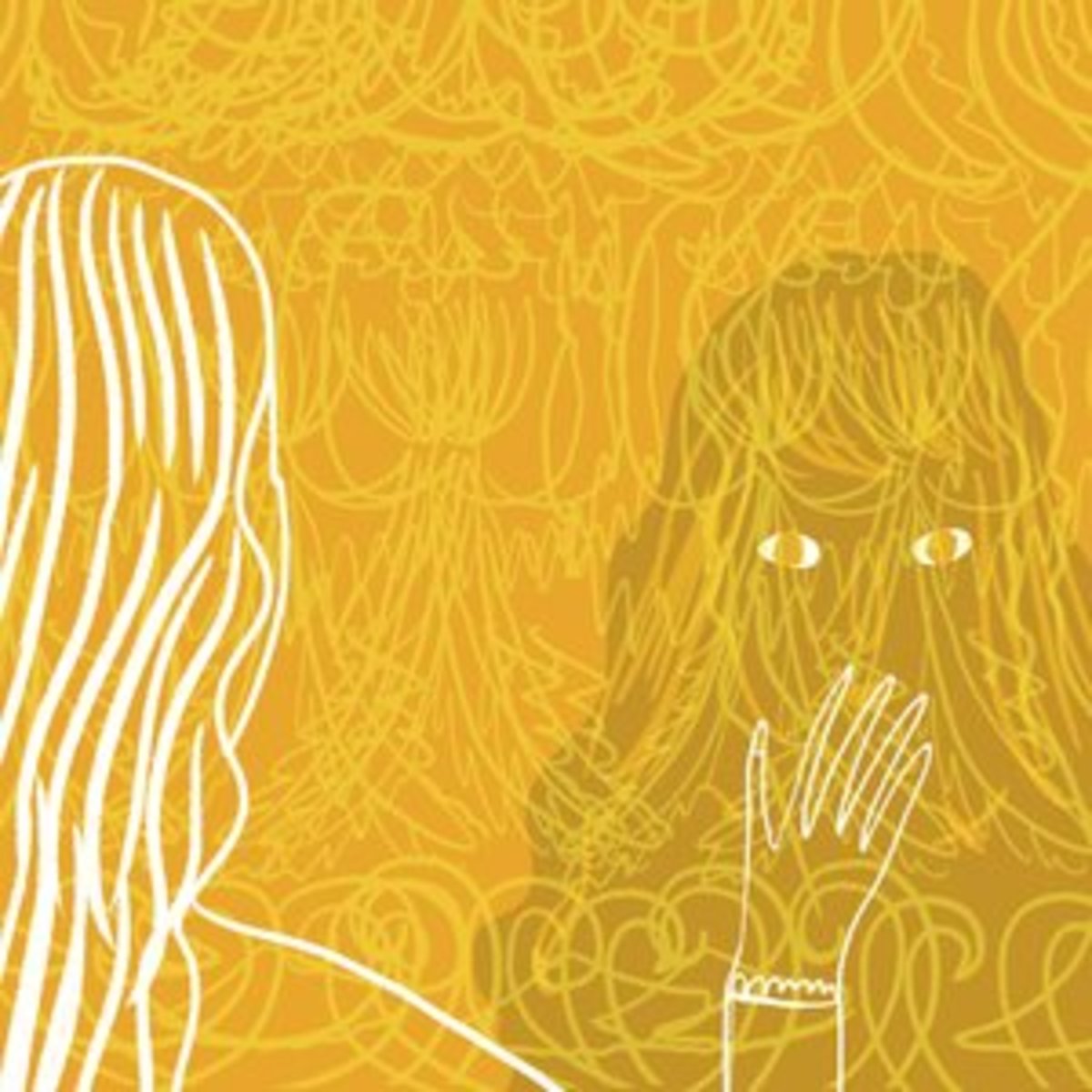
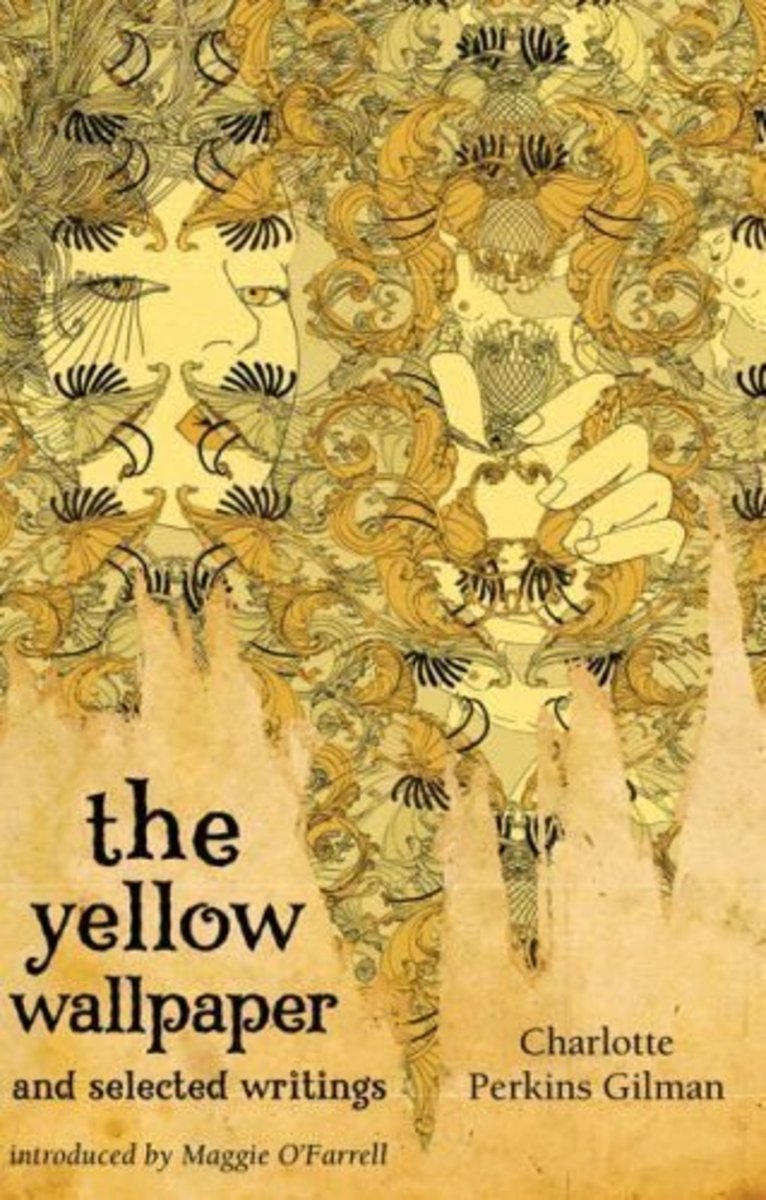
The yellow wallpaper itself is a strong image, representing the pervasive nature of the narrator’s oppression. Its sample, initially described as monotonous and unsettling, turns into more and more vital because the narrator’s psychological state deteriorates. The quote, "It’s uninteresting sufficient to confuse the attention in following, pronounced sufficient consistently to annoy and provoke examine," illustrates the insidious nature of the wallpaper, mirroring the insidious nature of her oppression. The wallpaper’s presence is fixed, inescapable, and deeply unsettling, similar to the societal pressures that confine and silence her. It turns into a projection of her personal trapped self, a visible manifestation of her psychological imprisonment. Because the narrator’s notion of the wallpaper adjustments, so does her understanding of her personal state of affairs, culminating in her full identification with the lady she sees trapped inside its sample.
Conclusion:
"The Yellow Wallpaper" is a strong testomony to the damaging nature of societal oppression. By the cautious evaluation of key quotes, we are able to see how Gilman masterfully portrays the insidious methods wherein patriarchal constructions and medical paternalism can confine and silence ladies. The narrator’s descent into insanity will not be a mere psychological breakdown, however a consequence of the systemic forces that deny her company, autonomy, and the liberty to precise herself. The story’s enduring energy lies in its skill to reveal the refined but devastating results of oppression, reminding us of the significance of recognizing and difficult the techniques that proceed to restrict human potential and expression. The ultimate, chilling traces of the story function a strong indictment of a society that fails to acknowledge and handle the wants of its most susceptible members, leaving an enduring legacy of warning and a name for ongoing vigilance towards all types of oppression. The quotes throughout the textual content, meticulously chosen and strategically positioned, function highly effective signposts on this journey into the guts of darkness and the resilient battle for self-discovery and liberation.



Closure
Thus, we hope this text has supplied invaluable insights into Trapped Inside the Partitions: Exploring Oppression in Charlotte Perkins Gilman’s "The Yellow Wallpaper" By Key Quotes. We admire your consideration to our article. See you in our subsequent article!