Trapped Inside the Partitions: Exploring the Narrator’s Descent in Charlotte Perkins Gilman’s "The Yellow Wallpaper" Via Key Quotes
Associated Articles: Trapped Inside the Partitions: Exploring the Narrator’s Descent in Charlotte Perkins Gilman’s "The Yellow Wallpaper" Via Key Quotes
Introduction
With enthusiasm, let’s navigate via the intriguing subject associated to Trapped Inside the Partitions: Exploring the Narrator’s Descent in Charlotte Perkins Gilman’s "The Yellow Wallpaper" Via Key Quotes. Let’s weave attention-grabbing data and provide contemporary views to the readers.
Desk of Content material
- 1 Related Articles: Trapped Within the Walls: Exploring the Narrator’s Descent in Charlotte Perkins Gilman’s "The Yellow Wallpaper" Through Key Quotes
- 2 Introduction
- 3 Trapped Within the Walls: Exploring the Narrator’s Descent in Charlotte Perkins Gilman’s "The Yellow Wallpaper" Through Key Quotes
- 4 Closure
Trapped Inside the Partitions: Exploring the Narrator’s Descent in Charlotte Perkins Gilman’s "The Yellow Wallpaper" Via Key Quotes
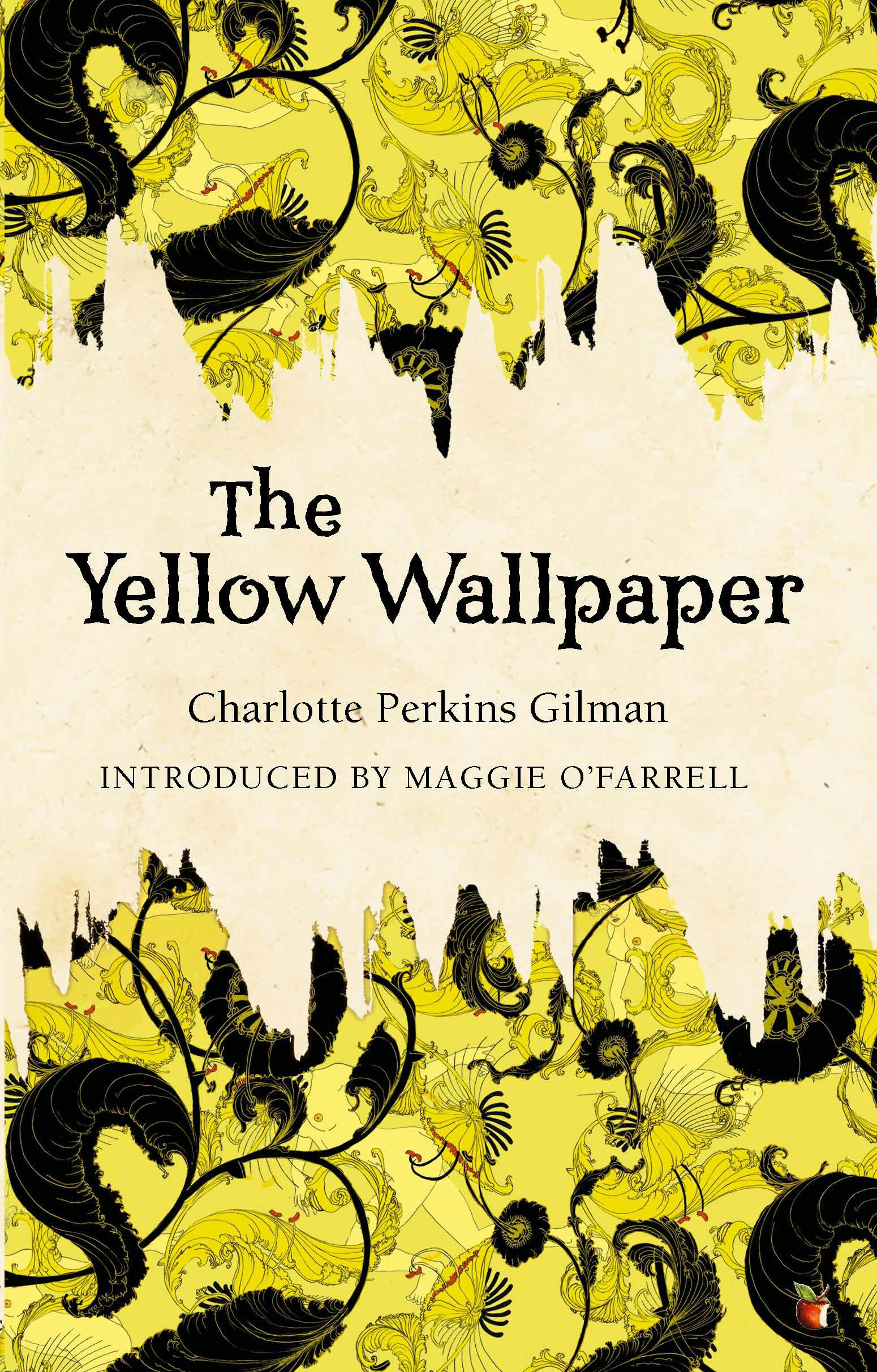
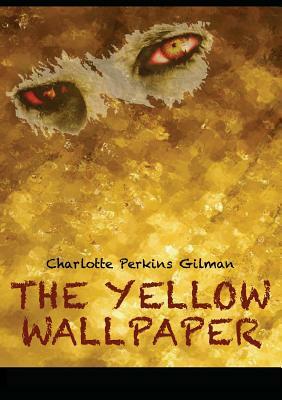
Charlotte Perkins Gilman’s "The Yellow Wallpaper" is a chilling masterpiece of psychological realism, a potent exploration of patriarchal oppression and its devastating affect on a lady’s psychological state. The story, instructed via the first-person perspective of its unnamed narrator, unfolds as a descent into insanity, meticulously documented via her journal entries. Analyzing key quotes reveals the narrator’s evolving psyche, her battle in opposition to confinement, and the insidious energy of her restrictive setting. The wallpaper itself turns into a potent image, reflecting her deteriorating psychological state and mirroring her personal more and more determined makes an attempt to interrupt free.
The story’s energy lies in its refined but devastating portrayal of the narrator’s gradual unraveling. Initially, she presents a facade of rationality and acceptance, albeit tinged with a rising unease. Her early entries replicate a aware effort to take care of management, a method that in the end proves futile in opposition to the suffocating constraints imposed upon her. The next quotes illustrate this preliminary section:
"I get positively offended with John typically. He scolds me a lot once I get irritable."
This seemingly innocuous sentence reveals the early cracks within the narrator’s composure. The usage of "positively offended" suggests a simmering resentment, a frustration that’s already effervescent beneath the floor of her well mannered acceptance. John’s scolding, introduced with out additional rationalization, establishes him as a controlling determine, stifling her expression and contributing to her rising irritability. The quote hints on the underlying energy imbalance, subtly foreshadowing the narrator’s eventual rebel.
"John laughs at me, after all, however one expects that in marriage."
This quote reveals a disturbing acceptance of patriarchal norms. The narrator anticipates and even expects her husband’s dismissal of her considerations, highlighting the societal pressures that power her to internalize her frustrations. The phrase "one expects that in marriage" speaks volumes in regards to the restricted company afforded to ladies in her time. Her resignation, nevertheless non permanent, underlines the depth of the societal constraints that contribute to her psychological decline.
Because the story progresses, the narrator’s makes an attempt at sustaining a façade of normalcy crumble. Her observations develop into more and more erratic, her language extra fragmented, and her perceptions distorted. The wallpaper, initially a mere object of annoyance, transforms into a spotlight of her obsession, a projection of her personal confinement and burgeoning rebel.
"I lie right here on this nice immovable mattress – it’s nailed down, I consider – and comply with that sample about by the hour. It’s pretty much as good as gymnastics, I guarantee you."
This quote showcases the narrator’s try to search out solace and management within the midst of her confinement. The outline of the mattress as "nailed down" emphasizes the bodily restriction she endures, mirroring the psychological constraints imposed upon her. But, even on this stifling setting, she tries to search out company, remodeling the repetitive statement of the wallpaper right into a type of train, a option to keep a semblance of management over her personal physique and thoughts. This determined try at self-preservation highlights the insidious nature of her oppression.
"I do not just like the appears to be like of it one bit. It is so bizarre and uncanny, and I am afraid I shall have to provide it a radical cleansing earlier than I can ever really feel like settling right down to something."
Right here, the wallpaper begins to imagine a extra vital function within the narrator’s narrative. Her rising dislike just isn’t merely aesthetic; it displays her unease with the oppressive setting she inhabits. The phrases "bizarre" and "uncanny" recommend a deeper, unconscious recognition of the insidious nature of her scenario. The need to "clear" the wallpaper symbolizes her try and cleanse her personal thoughts and environment of the unsettling parts which might be contributing to her psychological deterioration.
The narrator’s language undergoes a major shift as her psychological state deteriorates. Her writing turns into more and more fragmented, her sentences much less structured, reflecting the disintegration of her rational thought processes.
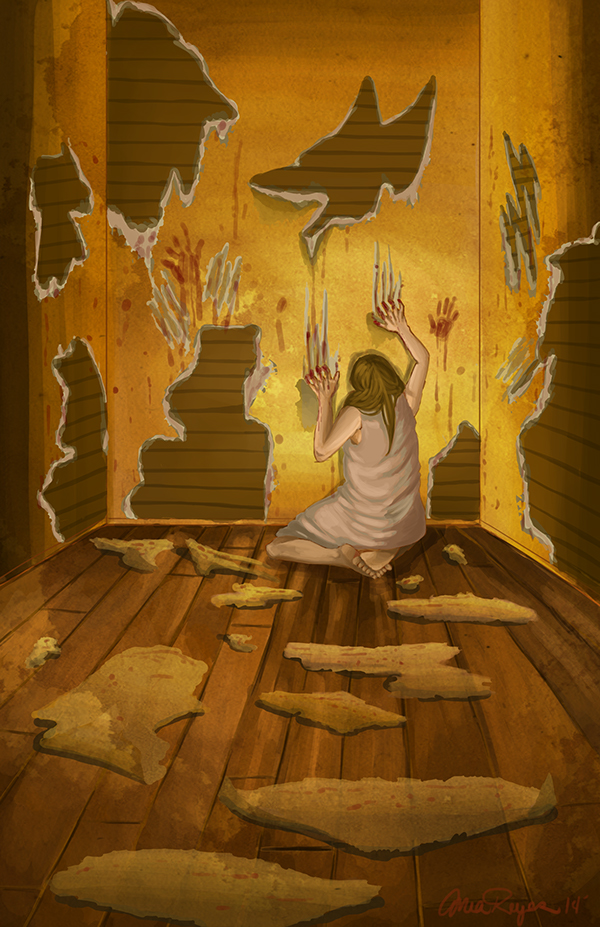
"I’ve bought out eventually," says I, "despite you and Jane. And I’ve pulled off a lot of the paper, so you’ll be able to’t put me again!"
This quote marks a pivotal second within the story, representing the narrator’s full break from actuality. The fragmented sentence construction and the direct deal with to unspecified antagonists ("you and Jane") spotlight her delusional state. The act of tearing down the wallpaper turns into a symbolic act of rebel, a determined try to flee the confines of her personal thoughts and the oppressive setting that has pushed her so far. The triumphant tone, nevertheless, belies the tragic actuality of her scenario.
"There’s something unusual in regards to the paper. It is sort of a girl stooping down and creeping about behind that sample."
This quote reveals the narrator’s rising delusion, the place the wallpaper takes on a lifetime of its personal, turning into a metaphor for her personal repressed wishes and id. The picture of a lady "creeping about" symbolizes her personal battle for freedom and self-expression, trapped behind the stifling patterns of societal expectations. The wallpaper turns into a projection of her personal unconscious, reflecting her determined makes an attempt to interrupt free from the constraints imposed upon her.
"I’ve came upon. There are issues in that paper that no person is aware of however me, or ever will."
This quote underscores the narrator’s rising sense of isolation and paranoia. The secretive tone suggests a profound alienation, a sense of being misunderstood and alone in her battle. The implication that she possesses a novel understanding of the wallpaper reinforces the concept that her perceptions are more and more indifferent from actuality. Her "discovery" is a manifestation of her personal unraveling thoughts, highlighting the tragic penalties of her confinement.
The ultimate passages of the story are characterised by a whole lack of rational thought. The narrator’s language turns into more and more fragmented and incoherent, mirroring the disintegration of her persona.
"I pulled off a lot of the paper, so you’ll be able to’t put me again!"
This quote, repeated in a barely altered type, underscores the cyclical nature of her delusion. The determined act of tearing down the wallpaper represents her ongoing battle in opposition to confinement, each bodily and psychological. The repetition highlights the obsessive nature of her ideas, reinforcing the tragic penalties of her extended isolation and oppression.
The quotes from "The Yellow Wallpaper" provide a strong and unsettling glimpse into the narrator’s deteriorating psychological state. Her journey, documented via these fragments of her journal, is a chilling testomony to the damaging energy of patriarchal oppression and the devastating penalties of silencing a lady’s voice. The wallpaper, initially a easy ornamental component, transforms right into a potent image of her confinement, reflecting her personal battle to interrupt free from the constraints imposed upon her and in the end mirroring her personal descent into insanity. By analyzing these rigorously chosen phrases, we achieve a deeper understanding of the narrator’s inner struggles and the tragic penalties of a society that fails to acknowledge and deal with the wants of its ladies. The story’s lasting energy lies in its capability to evoke empathy for the narrator’s plight and to function a stark warning in opposition to the risks of societal constraints and the silencing of particular person voices.



Closure
Thus, we hope this text has offered worthwhile insights into Trapped Inside the Partitions: Exploring the Narrator’s Descent in Charlotte Perkins Gilman’s "The Yellow Wallpaper" Via Key Quotes. We thanks for taking the time to learn this text. See you in our subsequent article!