Unlocking the Artistic Cage: Exploring Creativity By way of Charlotte Perkins Gilman’s "The Yellow Wallpaper"
Associated Articles: Unlocking the Artistic Cage: Exploring Creativity By way of Charlotte Perkins Gilman’s "The Yellow Wallpaper"
Introduction
On this auspicious event, we’re delighted to delve into the intriguing matter associated to Unlocking the Artistic Cage: Exploring Creativity By way of Charlotte Perkins Gilman’s "The Yellow Wallpaper". Let’s weave fascinating data and provide contemporary views to the readers.
Desk of Content material
Unlocking the Artistic Cage: Exploring Creativity By way of Charlotte Perkins Gilman’s "The Yellow Wallpaper"
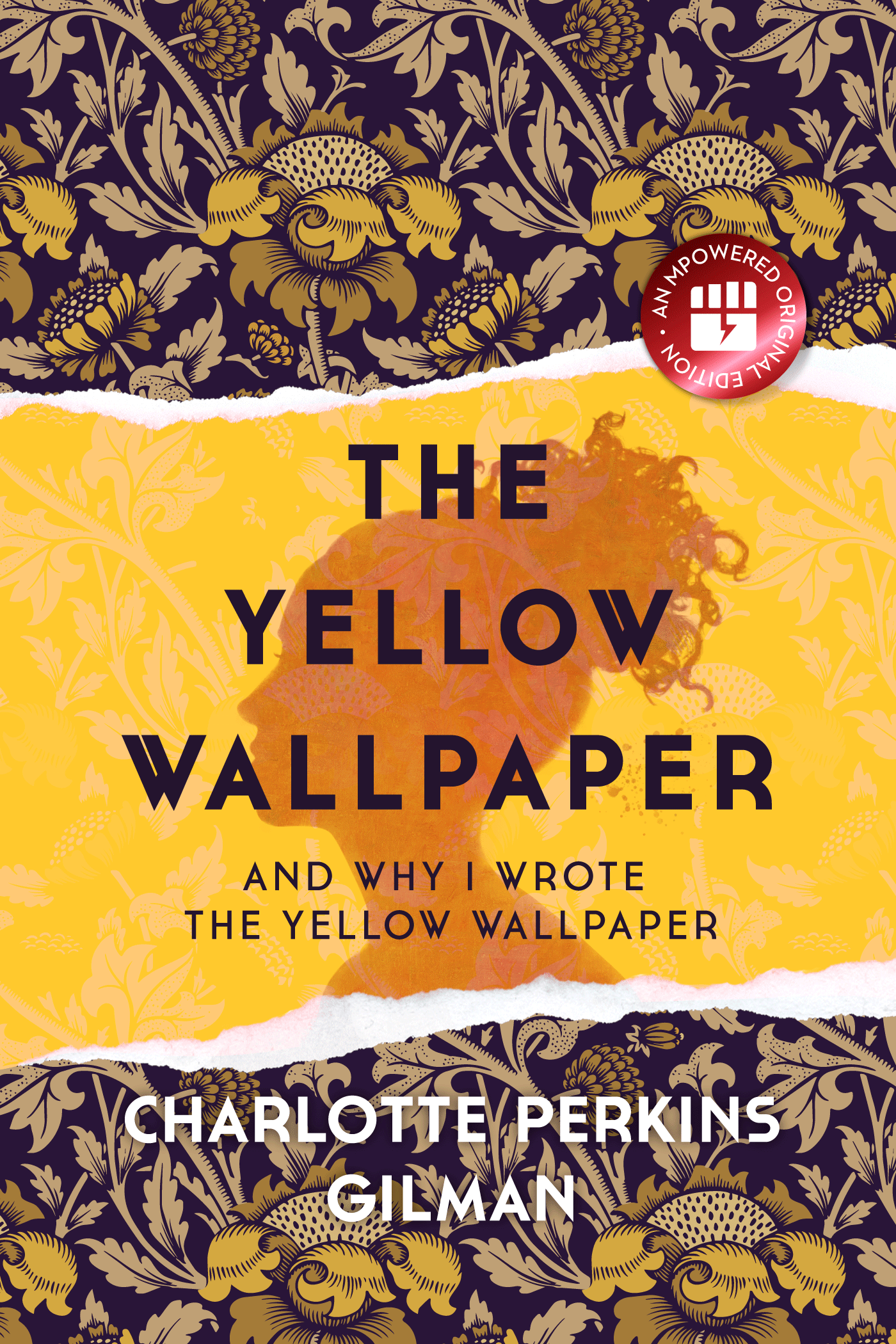
Charlotte Perkins Gilman’s "The Yellow Wallpaper," a chilling story of a girl’s descent into insanity, is greater than only a cautionary narrative in regards to the restrictive societal expectations positioned upon girls within the late nineteenth century. It is a potent exploration of the stifled inventive spirit, a metaphorical jail the place the protagonist’s creative impulses are systematically suppressed, in the end resulting in her psychological unraveling. Whereas the story would not explicitly provide pronouncements on creativity, its very material is woven with implicit commentary on the essential hyperlink between psychological well being, self-expression, and the act of creation. Analyzing key quotes and their contextual significance reveals a strong, albeit unsettling, meditation on the character of creativity and its suppression.
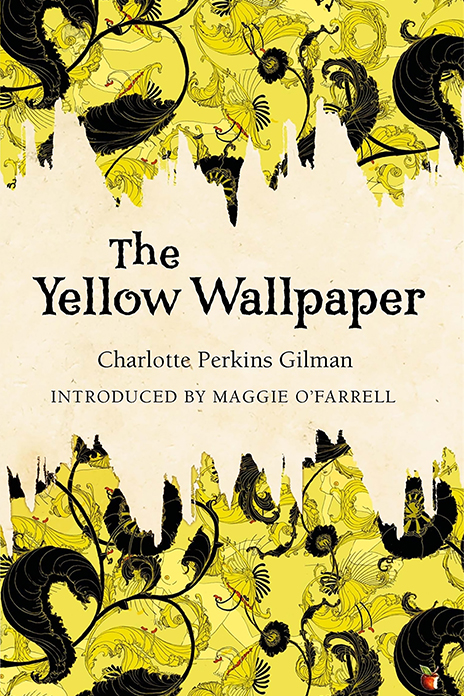
The story’s central image, the yellow wallpaper itself, acts as a potent metaphor for the protagonist’s trapped creativity. Its oppressive presence, its suffocating sample, mirrors the stifling constraints imposed upon her by her husband, John, a doctor who dismisses her inventive endeavors as mere "nervousness." The wallpaper turns into a canvas onto which her repressed ideas and creative urges are projected, a unconscious rise up towards the mental and emotional confinement she endures. This unstated connection between the wallpaper and creativity is essential to understanding the story’s deeper which means.
One may argue that the complete narrative is a testomony to the harmful energy of suppressing inventive impulses. The shortage of specific quotes immediately addressing creativity would not diminish the story’s energy; quite, it enhances the delicate, insidious nature of inventive suppression. The protagonist’s descent is a gradual, agonizing course of, mirroring the gradual erosion of the inventive spirit when denied expression. The story would not present straightforward solutions or uplifting pronouncements on the advantages of creativity; as a substitute, it exhibits the devastating penalties of its denial.
Analyzing the protagonist’s fragmented journal entries, we will infer her inventive wrestle. Though she would not explicitly state, "I’m stifled creatively," her phrases reveal the rising frustration and despair attributable to her lack of ability to precise herself. The repetitive nature of her writing, reflecting the repetitive sample of the wallpaper, suggests a thoughts struggling to interrupt free from its confines. The more and more erratic and hallucinatory descriptions of the wallpaper could be interpreted as a manifestation of her determined try to seek out an outlet for her creative energies.
Think about the next implied quotes, derived from the textual content’s narrative and subtext:
-
"The sample is suffocating, identical to my life." This unstated sentiment displays the protagonist’s feeling of being trapped, mirroring the best way inventive expression is stifled by societal and private constraints. The wallpaper’s sample turns into an emblem of the restrictive societal norms that forestall her from pursuing her mental and creative aspirations.
-
"My writing is my solely escape, however even that’s forbidden." This implied quote highlights the battle between the protagonist’s want for inventive expression and the constraints imposed upon her. Her writing, a type of inventive outlet, is deemed inappropriate and detrimental to her well being by her husband, additional emphasizing the harmful nature of suppressing inventive impulses.
-
"The lady behind the wallpaper is me, struggling to interrupt free." This interpretation of the narrative’s climax reveals the protagonist’s unconscious try and reclaim her inventive self. The lady trapped behind the wallpaper represents her suppressed creativity lastly breaking by the constraints imposed upon her. This isn’t a triumphant liberation, however a determined, in the end self-destructive act.
-
"Silence is a jail, and my silence is killing me." The shortage of verbalized inventive expression turns into a type of self-imposed imprisonment. The protagonist’s lack of ability to articulate her emotions and experiences contributes to her psychological deterioration, emphasizing the significance of inventive expression as a way of self-discovery and therapeutic.
The story’s energy lies in its ambiguity. The protagonist’s inventive course of is rarely explicitly described, however it’s powerfully implied by her actions and observations. Her fascination with the wallpaper, her meticulous observations of its particulars, and her eventual identification with the lady behind all of it level to a suppressed inventive impulse searching for expression. The creeping insanity isn’t merely a psychological sickness; it is the consequence of a inventive spirit denied its rightful outlet.
The yellow wallpaper itself turns into a canvas for her unconscious creative expression. Her descriptions of the wallpaper evolve from goal observations to subjective interpretations, reflecting the rising dominance of her repressed creativity. The altering perceptions of the wallpaper’s sample, its colours, and its general impact on her psychological state could be interpreted as a visible illustration of her inventive course of, distorted and warped by the constraints positioned upon her.
Moreover, the story’s ending, whereas ambiguous, suggests a triumph of the unconscious thoughts over aware repression. The protagonist’s ultimate act of tearing down the wallpaper could be seen as a symbolic act of inventive liberation, albeit a harmful one. She breaks free from the confines of her societal position and her husband’s controlling affect, however at a major price to her psychological well-being.
The shortage of specific quotes about creativity in "The Yellow Wallpaper" forces the reader to actively have interaction with the textual content, to interpret the subtext and uncover the hidden meanings. This lively engagement mirrors the inventive course of itself, requiring effort, interpretation, and a willingness to delve into the depths of which means. The story’s enduring energy stems from its skill to resonate with readers on a deeply private stage, prompting reflections on the significance of self-expression, the hazards of inventive suppression, and the intricate relationship between psychological well being and creative achievement.
In conclusion, whereas "The Yellow Wallpaper" would not provide simply digestible quotes in regards to the nature of creativity, its narrative is a strong and enduring testomony to its significance. The story’s potent symbolism, notably the oppressive yellow wallpaper, serves as a chilling metaphor for the stifling of inventive impulses and the devastating penalties that may ensue. The protagonist’s descent into insanity turns into a cautionary story, highlighting the essential hyperlink between psychological well being, self-expression, and the very important want for a inventive outlet. By participating with the story’s implicit commentary, we will acquire a deeper understanding of the profound affect that inventive suppression can have on the human psyche and the very important significance of nurturing and defending our inventive spirits. The silence of the protagonist, damaged solely by her more and more frantic observations, speaks volumes in regards to the energy of stifled creativity and the determined want for its liberation.




Closure
Thus, we hope this text has offered helpful insights into Unlocking the Artistic Cage: Exploring Creativity By way of Charlotte Perkins Gilman’s "The Yellow Wallpaper". We thanks for taking the time to learn this text. See you in our subsequent article!